



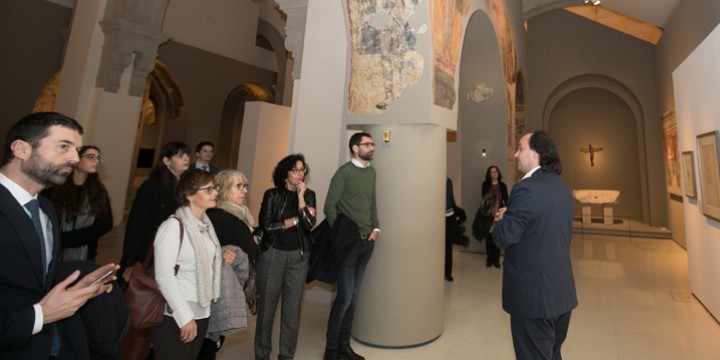
The National Art Museum of Catalonia (MNAC) and the Picasso Museum in Paris have organised the exhibition “Picasso and Romanesque Art”, to show the possible affinities between the works of Pablo Picasso and Romanesque art. Some 40 pieces by Picasso, including oil paintings, drawings, sculptures and ceramics, have been exhibited in the Romanesque art rooms at the MNAC, thus establishing a direct dialogue between works of art separated by eight centuries. The display can be viewed from 17 November to 26 February 2017.
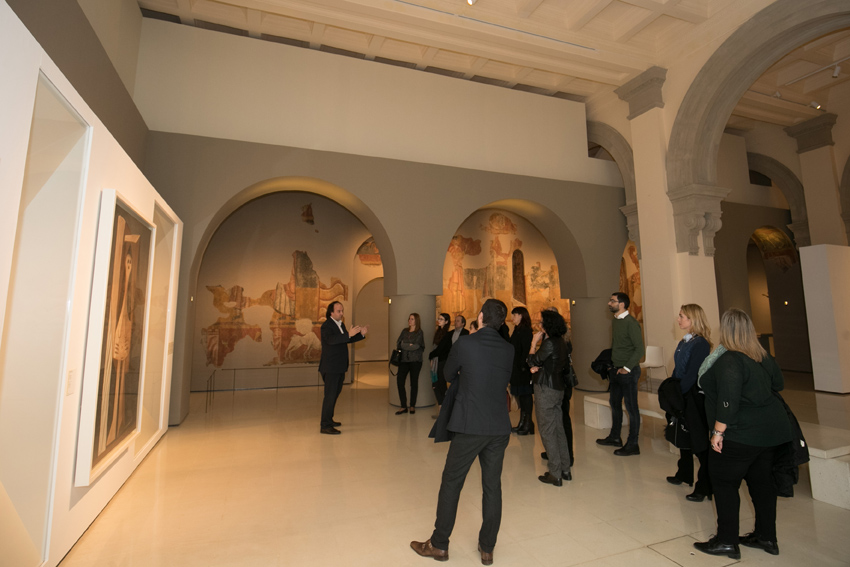
The exhibition has focused in on two dates which mark the Malaga-born artist’s relationship with Romanesque art. In 1906, Picasso lived for a few months in Gósol, in the Pyrenees, during a decisive period in the transformation of the painter’s style. And in 1934, Picasso visited the collections of Romanesque art on display today at the MNAC, an event which was reported upon at length by the press in Barcelona at the time.
On the basis of these two dates, the exhibition also revolves around three core areas. The first focuses on works by Picasso from 1906 and 1907 and the relationship they hold with the work “Mare de Déu amb el Nen”, which could then be found in the church in Gósol and today forms part of the MNAC’s collection. The second topic is the theme of the Crucifixion, which was ever present in Romanesque art and was a significant focus for Picasso at various points in his life, particularly between 1930 and 1937. The last topic refers to another ever present image in the Romanesque Art collection at the MNAC: the skull. This exhibition aimed to establish parallels between the works of Picasso and Romanesque art.